Understanding the Flu: Separating Myths from Facts with the Help of an Informative Infographic
What Is the Flu, and Why Does It Matter?
The flu, short for influenza, is a common yet potentially serious respiratory illness caused by influenza viruses. While many people think of the flu as just a bad cold, it can lead to severe complications, hospitalization, and even death in vulnerable populations. Understanding the flu—what it is, how it spreads, and how to prevent it—is essential for maintaining personal and public health.
This article explores the key differences between common flu myths and scientifically backed facts, using insights from a detailed flu myth vs. flu fact infographic. Whether you're a student, a working professional, or a parent, this guide will help you make informed decisions about flu prevention and treatment.
Common Flu Myths That Still Circulate Today
Despite widespread public health campaigns and medical advancements, many misconceptions about the flu persist. These myths can lead to poor health decisions and prevent people from taking the flu seriously. Here are some of the most common flu myths:
- The flu is just a bad cold. In reality, the flu is a more severe illness that can lead to high fever, body aches, fatigue, and complications like pneumonia.
- You can catch the flu from the flu shot. The flu vaccine contains inactivated viruses or no virus at all, so it cannot cause the flu.
- Healthy people don’t need the flu shot. Even healthy individuals can get and spread the flu, making vaccination important for community immunity.
- Antibiotics can treat the flu. Since the flu is caused by a virus, antibiotics are ineffective unless a secondary bacterial infection develops.
Key Flu Facts Everyone Should Know
Let’s counter those myths with some essential facts about the flu and flu prevention:
- The flu is contagious before symptoms appear. People can spread the virus one day before feeling sick and up to a week after symptoms begin.
- The flu vaccine is the most effective prevention method. Each year’s vaccine is designed to protect against the most common strains expected to circulate.
- Annual vaccination is necessary. Flu viruses evolve, and immunity from the vaccine decreases over time, making yearly shots essential.
- Good hygiene and lifestyle habits help prevent transmission. Washing hands, avoiding close contact with sick individuals, and staying home when ill are all effective strategies.
How the Flu Affects Daily Life and Work
The flu doesn’t just impact your health—it can disrupt your work, school, and family life. Each year, millions of people miss days due to flu-related illness or caring for a sick family member. Employers and educators should encourage flu vaccinations and promote healthy habits to reduce absenteeism and maintain productivity.
For example, companies that offer on-site flu clinics or flexible sick leave policies can see fewer employee absences during flu season. Similarly, schools that teach children about hygiene and flu prevention help reduce outbreaks in classrooms.
The Role of Infographics in Understanding the Flu
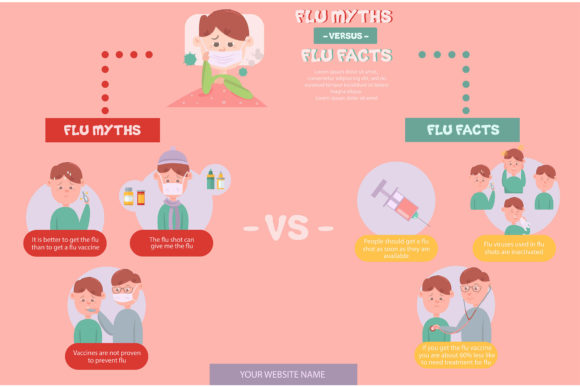
Visual tools like the Flu Myth vs. Flu Fact Infographic are powerful ways to communicate complex health information clearly and concisely. Designed in EPS10 format, this type of infographic can be easily scaled and integrated into websites, brochures, and presentations.
Such infographics typically use icons, charts, and simple text to compare myths with facts. For instance, they might feature side-by-side columns showing a common misconception next to the corresponding scientific fact. This visual contrast helps reinforce learning and makes the information more memorable.
Practical Tips for Using Flu Infographics in Different Settings
Whether you're a teacher, healthcare provider, or business owner, you can use flu infographics to educate your audience. Here are some practical applications:
- In schools: Display the infographic in classrooms or include it in health education materials to teach students how to stay healthy during flu season.
- In workplaces: Share the infographic via email or post it in break rooms to remind employees about flu prevention tips and the importance of vaccination.
- In clinics: Use the infographic in waiting rooms or on your website to provide patients with clear, easy-to-understand health guidance.
How to Access and Use the Flu Myth vs. Flu Fact Infographic (EPS10 Format)
The Flu Myth vs. Flu Fact infographic is often available as a downloadable file in EPS10 format. This vector-based file type ensures high-quality printing and scalability, making it ideal for both digital and print use.
To use the file:
- Download the EPS10 file from a reputable health or educational website.
- Open it using vector editing software such as Adobe Illustrator or CorelDRAW.
- Edit or resize the graphic as needed for your specific use case.
- Export it to other formats like PDF or JPEG for sharing online or printing.
Always check licensing terms to ensure the file can be used for your intended purpose, especially if you're planning to distribute it publicly.
Why Accurate Flu Information Matters More Than Ever
In an age of rapid information sharing and social media, misinformation about the flu can spread faster than the virus itself. Relying on credible sources—like government health departments, academic institutions, and medical professionals—is crucial.
Understanding the flu also plays a role in broader public health efforts. When more people are informed, vaccination rates increase, and communities become more resilient to outbreaks. This concept, known as herd immunity, protects those who cannot receive the vaccine, such as newborns or people with certain medical conditions.
Conclusion: Stay Informed, Stay Protected
Separating flu myths from facts is not just about correcting misunderstandings—it's about empowering individuals to make better health decisions. Tools like the Flu Myth vs. Flu Fact infographic (available in EPS10 format) make it easier than ever to access and share accurate, visually engaging information.
Whether you're looking to improve your own knowledge, educate others, or simply stay healthy during flu season, understanding the flu is a valuable step toward a safer, more informed community. By staying up to date with flu facts, getting vaccinated, and practicing good hygiene, you can protect yourself and those around you from the flu’s potentially serious effects.
Remember: when it comes to the flu, knowledge truly is power.