Unlocking Visual Communication with Modern Infographic Element Vector Files
Visual communication has become a cornerstone of effective messaging in today’s fast-paced digital world. Whether you're presenting data, explaining a process, or marketing a product, Modern Infographic Element Vector Files offer a powerful way to convey complex information clearly and engagingly. These versatile design assets combine aesthetics with functionality, enabling creators to build visually appealing infographics that resonate with diverse audiences.
What Exactly Is a Modern Infographic Element Vector File?
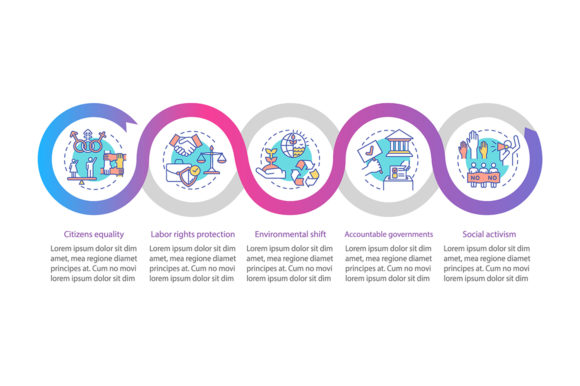
A Modern Infographic Element Vector File is a digital design resource that contains scalable vector graphics (SVGs) tailored for infographic creation. These files typically include a variety of pre-designed elements such as icons, charts, diagrams, number badges, and other visual components that can be easily customized and combined to suit specific projects.
Unlike raster images, which lose quality when resized, vector files maintain sharpness at any scale, making them ideal for both digital and print use. This adaptability ensures that your infographics remain crisp and professional, whether viewed on a mobile screen or printed in a large poster format.
Why Use a Modern Infographic Element Vector File?
Designers, marketers, educators, and business professionals turn to these vector files for several compelling reasons:
- Time Efficiency: Ready-made elements allow for faster design workflows, reducing the need to create visuals from scratch.
- Consistency: Using a unified set of design components ensures visual harmony across your content.
- Scalability: Vector graphics scale without losing quality, making them suitable for various formats and sizes.
- Customizability: Colors, shapes, and layouts can be easily adjusted to align with brand guidelines or project themes.
Who Benefits from These Vector Files?
These resources are especially valuable to:
- Graphic Designers: They can streamline their workflow by incorporating pre-designed, professional-grade elements into client projects.
- Business Analysts: Presenting data visually helps simplify complex reports and presentations.
- Educators: Teachers and trainers can create engaging visual aids that enhance learning and retention.
- Content Creators: Bloggers, YouTubers, and social media managers can elevate their content with visually appealing graphics.
- Entrepreneurs: Startups and small businesses can craft polished marketing materials without hiring a full-time designer.
Exploring the Features of Modern Infographic Element Sets
Most Modern Infographic Element Vector Files come as part of a comprehensive pack that includes a wide array of visual components. Here’s a closer look at what you might expect:
- Icon Sets: From technology and finance to health and environment, these icons help illustrate concepts quickly and clearly.
- Number Badges: Ideal for highlighting statistics, timelines, or key points in a visually engaging way.
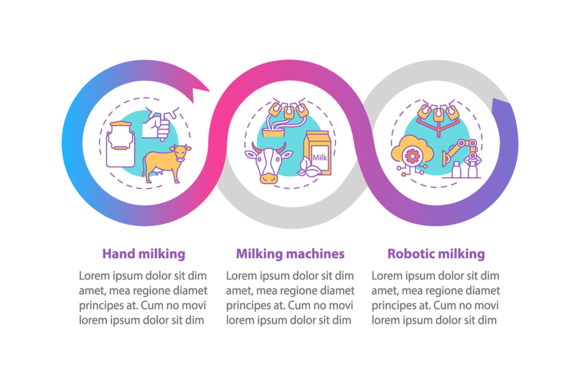
- Process Diagrams: Step-by-step visuals that explain workflows, strategies, or procedures.
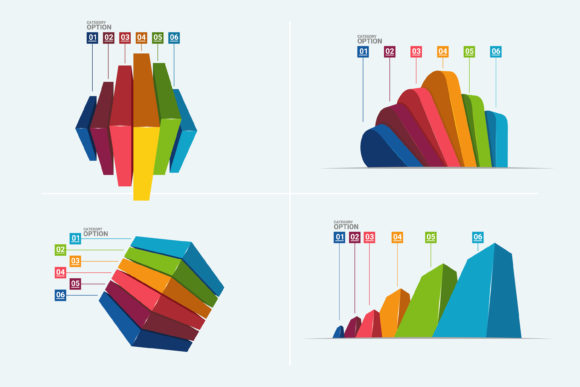
- Chart Templates: Pre-styled bar graphs, pie charts, and timelines that can be customized with your data.
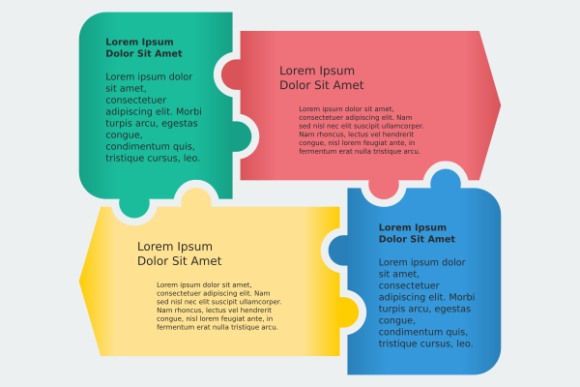
- Layout Templates: Pre-arranged compositions that serve as a starting point for infographic design.
Real-World Applications of Infographic Vector Files
These design tools are not limited to a single industry or use case. Here are some practical examples of how they can be applied:
- Marketing Campaigns: Create visually striking social media posts, banners, and explainer graphics that capture attention and drive engagement.
- Business Reports: Turn quarterly results or performance metrics into digestible visuals that stakeholders can easily understand.
- Educational Materials: Develop posters, handouts, or interactive presentations that simplify complex subjects for students.
- Nonprofit Awareness: Use compelling visuals to communicate impact reports, donation goals, or community outreach initiatives.
- Startup Pitch Decks: Present your business idea with clarity and professionalism using clean, modern infographic layouts.
Choosing the Right Vector File for Your Project
Not all Modern Infographic Element Vector Files are created equal. Here are some key considerations when selecting one:
- Compatibility: Ensure the file format is compatible with your design software. Most come in SVG, EPS, or AI formats.
- Customization Options: Look for files that allow for easy color changes, resizing, and layout adjustments.
- License Type: Always check the licensing agreement to confirm whether the file can be used for commercial purposes.
- Style Consistency: Choose a set that matches the tone and branding of your project, whether it’s minimalist, bold, or playful.
- Update Frequency: Some premium sets receive regular updates with new elements, which can add long-term value.
Where to Find High-Quality Infographic Vector Files
You can find premium Modern Infographic Element Vector Files on platforms like:
When purchasing, always read reviews, preview the elements, and verify that the file includes editable layers for full customization.
Strengths and Limitations of Using Vector Infographic Elements
Like any design tool, Modern Infographic Element Vector Files come with their own set of advantages and potential drawbacks:
Advantages:
- Professional Quality: Ready-made elements are often designed by experienced professionals, ensuring a polished look.
- Cost-Effective: Purchasing a vector pack is often more affordable than commissioning custom illustrations.
- Flexible: Easy to edit and integrate into various design software like Adobe Illustrator, CorelDRAW, or Inkscape.
- Efficient: Saves time and effort in the design process, allowing creators to focus on content and messaging.
Limitations:
- Generic Look: Some sets may be widely used, leading to designs that lack originality if not customized properly.
- Learning Curve: Beginners may need time to learn how to manipulate vector files effectively.
- Licensing Restrictions: Some files may have usage limitations, especially for commercial or large-scale distribution.
Practical Expectations When Using Infographic Vector Files
While these tools can significantly enhance your design workflow, it’s important to approach them with realistic expectations:
- They’re Not a Magic Fix: A great design still requires thoughtful layout, color coordination, and content organization.
- Some Customization Is Needed: To avoid a cookie-cutter look, tweak elements to fit your brand or message.
- Quality Varies: Always preview files and check the creator’s reputation before purchasing.
How to Get the Most Out of Your Infographic Elements
Here are a few tips to maximize the value of your Modern Infographic Element Vector File:
- Combine with Original Content: Use the elements as a foundation but add your own creative touches.
- Group Related Elements: Organize icons and diagrams into logical sections to guide the viewer’s eye.
- Use Consistent Typography: Pair your visuals with fonts that match the overall tone of your design.
- Test for Clarity: Make sure your infographic communicates the intended message without confusion.
Conclusion: A Must-Have Tool for Modern Designers
In an era where visual content dominates digital communication, the Modern Infographic Element Vector File stands out as an essential resource for professionals and creators alike. Whether you're building a business strategy presentation, designing a marketing asset, or crafting an educational handout, these vector files provide the flexibility, quality, and efficiency needed to deliver impactful visuals.
By understanding how to choose, customize, and apply these elements effectively, you can elevate your designs and communicate your message with clarity and professionalism. With the right tools and a bit of creativity, even the most complex information can become visually engaging and easy to understand.