Workplace Safety Concerns Infographic: A Strategic Tool for Smarter Communication and Planning
In today’s fast-paced professional environment, conveying complex safety protocols and operational guidelines clearly and effectively is more important than ever. The Workplace Safety Concerns Infographic serves as a powerful visual tool that transforms dense information into digestible, actionable insights. Whether used internally for training or externally for stakeholder communication, this infographic format offers a streamlined way to highlight risks, processes, and preventive measures.
Why Use the Workplace Safety Concerns Infographic?
Visual communication has proven to enhance comprehension and retention. The Workplace Safety Concerns Infographic leverages this principle by combining concise text with intuitive design elements. It’s particularly valuable for organizations aiming to reinforce safety culture, reduce workplace incidents, and maintain compliance with regulatory standards.
From a strategic standpoint, this type of infographic supports multiple objectives:
- Clarifying safety procedures across departments
- Providing consistent messaging for training programs
- Supporting data-driven decision-making through visual timelines and flowcharts
- Enhancing employee engagement by simplifying complex safety data
Integrating the Infographic into Operational Planning
One of the most effective ways to use the Workplace Safety Concerns Infographic is as part of a broader operational strategy. By embedding it into onboarding materials, safety training modules, or internal dashboards, organizations can ensure that critical information is not only accessible but also memorable.
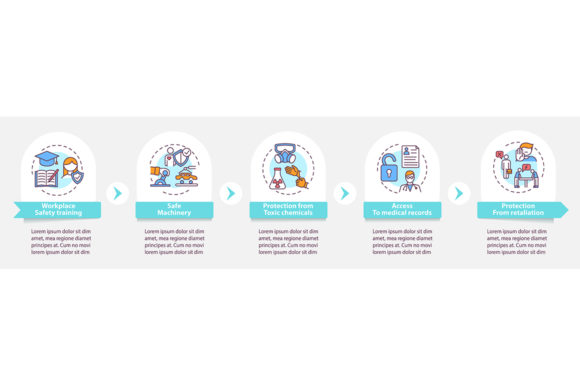
For instance, a manufacturing company might use the infographic to outline the five key steps in reporting and mitigating workplace hazards. This visual guide can be paired with real-time incident tracking systems to create a feedback loop that improves over time.
Designing for Impact: Workflow and Data Visualization
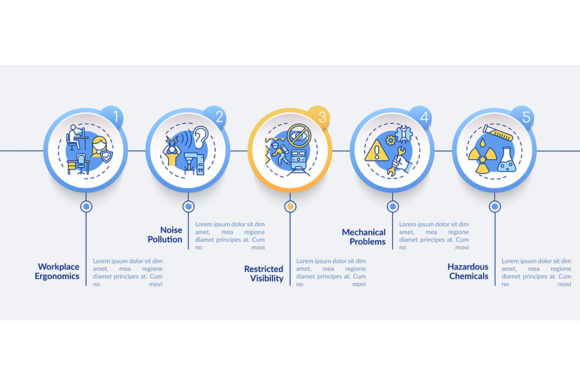
The Workplace Safety Concerns Infographic isn’t just about aesthetics—it’s about function. The template includes a workflow layout with linear icons, which helps illustrate sequential processes such as incident response protocols or ergonomic adjustment routines. These icons provide a visual language that transcends text-based barriers, making the content more inclusive and easier to follow.
When designing your infographic, consider the following elements:
- Process Timeline Chart: Use this to show how safety procedures evolve over time, from initial risk identification to corrective actions.
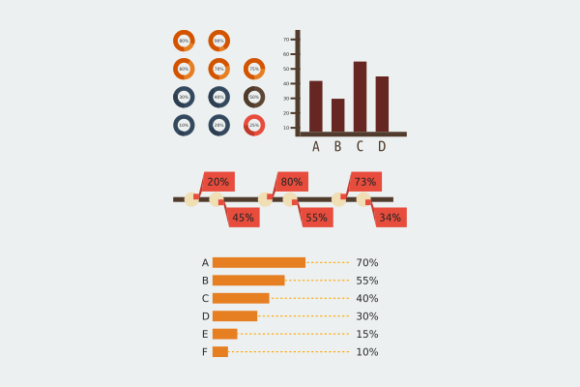
- Data Visualization: Represent incident rates, compliance metrics, or ergonomic improvement outcomes through charts and graphs.
- Linear Icons: Help break down multi-step procedures into manageable visuals that guide users through complex workflows.
Choosing the Right Format for Flexibility
The Workplace Safety Concerns Infographic template comes in multiple file formats—EPS, JPG, PNG, SVG, and AI—ensuring adaptability across platforms and media. SVG files, for instance, allow for scalable vector graphics that retain clarity on both mobile and desktop displays. AI files offer designers the flexibility to customize layouts, while PNGs are ideal for quick sharing and embedding in reports or presentations.
This flexibility is crucial when integrating the infographic into different communication channels, such as:
- Employee handbooks
- Online training portals
- Internal newsletters
- Printed posters in high-traffic areas
Strategic Timing: When to Use the Infographic
Timing matters when it comes to deploying the Workplace Safety Concerns Infographic. It’s most effective when introduced during key operational transitions or awareness campaigns. Consider using it during:
- New employee onboarding
- Quarterly safety reviews
- Post-incident debriefings
- Regulatory compliance audits
By aligning infographic use with these moments, you increase the likelihood of engagement and retention. For example, a logistics company might deploy the infographic after a minor safety incident to reinforce best practices and prevent recurrence.
Planning for Long-Term Value
While the Workplace Safety Concerns Infographic offers immediate visual clarity, its long-term value depends on thoughtful integration into broader communication strategies. Here are a few planning tips to maximize its impact:
- Define clear objectives: Are you aiming to reduce workplace injuries, improve compliance, or enhance training efficiency? Align your design and messaging accordingly.
- Segment your audience: Different departments may need different levels of detail. Customize versions for HR, operations, and frontline teams.
- Update regularly: Safety protocols evolve. Ensure your infographic remains current with the latest standards and internal policies.
- Track engagement: Use analytics or feedback loops to understand how users interact with the infographic and where improvements can be made.
Understanding the Risks of Misuse
As with any communication tool, the Workplace Safety Concerns Infographic can be misused if deployed without a clear strategy. One common pitfall is overloading the design with too much information, which can dilute its effectiveness. Another is using it as a one-time resource rather than part of a continuous learning and improvement cycle.
Additionally, if the infographic is not aligned with actual workplace conditions or if it contradicts official policies, it may lead to confusion or even legal complications. Always validate the content with HR, compliance officers, and relevant department heads before finalizing and distributing the design.
Making the Most of the Template
The Workplace Safety Concerns Infographic template includes a workplace ergonomics presentation design that can be repurposed for internal training sessions or external client presentations. This design element ensures that ergonomic guidelines—such as proper desk setup or lifting techniques—are communicated clearly and consistently.
For best results, consider customizing the template to reflect your organization’s branding, including colors, fonts, and logo placement. This not only reinforces internal identity but also builds trust with external stakeholders who may view the infographic as a representation of your company’s professionalism and commitment to safety.
Conclusion: A Thoughtful Approach to Visual Communication
The Workplace Safety Concerns Infographic is more than a design asset—it’s a strategic communication tool that, when used intentionally, can drive real operational improvements. Whether you're educating new hires, reinforcing safety culture, or presenting compliance data to leadership, this infographic offers a versatile and visually compelling way to convey essential information.
By aligning its use with your organization’s goals, planning for regular updates, and ensuring clarity in design and messaging, you can turn the Workplace Safety Concerns Infographic into a cornerstone of your safety communication strategy—one that supports not only immediate understanding but also long-term behavioral change.