How Information Technology is Revolutionizing Modern Farming
Information Technology in Agriculture isn’t just a buzzword—it’s reshaping how farms operate, how crops are managed, and how farmers make decisions. From GPS-guided tractors to real-time crop monitoring, IT tools are becoming essential in agriculture, helping farmers increase productivity, reduce waste, and make smarter decisions based on data.
What Does Information Technology in Agriculture Look Like Today?
At its core, Information Technology in Agriculture combines software, hardware, and data systems to support farming practices. This includes everything from satellite imagery for crop health analysis to mobile apps that track livestock conditions. These tools help farmers collect, analyze, and act on data—often in real time.
For example, a farmer can use a mobile app to monitor soil moisture levels across different fields. If one area is drier than others, they can adjust irrigation schedules accordingly. This kind of precision agriculture reduces water waste and improves crop yield—two major concerns for modern farming.
Real-World Applications of IT in Farming
Let’s look at how different users benefit from Information Technology in Agriculture in practical ways:
- Large-scale commercial farms: Use data analytics platforms to track yield patterns, predict harvest times, and optimize planting schedules.
- Small family farms: Benefit from mobile apps that provide weather forecasts, pest alerts, and market pricing updates to help make informed decisions.
- Livestock operations: Implement wearable sensors on animals to monitor health, track movement, and detect early signs of illness.
- Agricultural cooperatives: Use cloud-based collaboration tools to share resources, coordinate logistics, and manage supply chains more efficiently.
These aren’t futuristic scenarios—they’re happening right now. Farmers are using drones equipped with thermal cameras to spot irrigation issues, and GPS-guided machinery to plant seeds with pinpoint accuracy. These tools help reduce labor costs, improve efficiency, and minimize environmental impact.
Choosing the Right IT Tools for Your Farm
Adopting Information Technology in Agriculture can feel overwhelming, especially with so many tools and platforms available. Here are some key considerations to keep in mind:
- Define your goals: Are you trying to save water? Improve yield? Reduce labor costs? Knowing your objective helps narrow down the tools that will deliver the most value.
- Assess your tech readiness: Do you have reliable internet access? Are your team members comfortable using digital tools? Start with solutions that match your current capabilities and scale up as you gain experience.
- Check compatibility: Some IT tools integrate with existing farm equipment, while others require new hardware. Make sure any new system works with what you already own.
- Look at support and training: Even the best technology can fall short without proper training. Choose providers that offer good customer support and educational resources.
- Consider cost vs. return: While some tools may seem expensive upfront, they can deliver significant long-term savings. Calculate the potential ROI before making a decision.
Visualizing the Farming Process with IT Tools
One of the most powerful aspects of Information Technology in Agriculture is its ability to turn raw data into actionable insights through data visualization. Imagine a farmer looking at a color-coded map of their fields, where green areas indicate healthy crops and red zones show signs of stress. This kind of visual representation makes it easier to spot problems and act quickly.
A typical data visualization process might include these five steps:
- Data collection: Sensors in the field or drone imagery gather real-time data about soil conditions, crop health, or weather patterns.
- Data aggregation: The collected data is compiled into a central system where it can be analyzed alongside historical records.
- Analysis: Software tools identify trends, anomalies, or patterns that might not be obvious from raw numbers alone.
- Visualization: Charts, graphs, or maps are generated to present the findings in a clear, easy-to-understand format.
- Action: Based on the insights, farmers make informed decisions—like adjusting fertilizer application or replanting in underperforming areas.
Streamlining Workflows with IT Solutions
Farmers often juggle multiple tasks—planting, harvesting, managing livestock, and dealing with logistics. Information Technology in Agriculture helps streamline these workflows through automation and digital tools. For example, workflow layout systems using linear icons can guide users through daily tasks in a visual, step-by-step manner.
Some farms use digital task management tools that assign responsibilities to different team members, set reminders, and track progress. Others integrate smart irrigation systems that automatically adjust water flow based on weather forecasts and soil moisture levels.
Who Benefits Most from Agricultural IT Tools?
While farmers are the primary users, the benefits of Information Technology in Agriculture extend to a wide range of stakeholders:
- Agricultural consultants: Use data-driven insights to advise farmers on best practices and risk management.
- Suppliers and distributors: Access real-time data about crop conditions and market demand to improve logistics and inventory planning.
- Researchers and educators: Analyze large datasets to develop better crop varieties, farming techniques, and sustainability strategies.
- Government agencies: Monitor agricultural trends, manage subsidies, and respond to crises like droughts or pest outbreaks more effectively.
What to Watch Out For When Adopting IT in Agriculture
While the benefits are clear, there are also some limitations and challenges to be aware of when implementing Information Technology in Agriculture:
- Data privacy concerns: Farmers need to be cautious about who owns and controls their data, especially when using third-party platforms.
- High initial costs: Some advanced IT systems require significant investment in hardware, software, and training.
- Connectivity issues: Rural areas may lack reliable internet access, limiting the effectiveness of cloud-based tools.
- Learning curve: New users may struggle with complex interfaces or data interpretation, especially without proper training.
- Over-reliance on technology: While IT tools are powerful, they should support—not replace—traditional farming knowledge and experience.
Designing Presentations and Infographics with IT in Agriculture
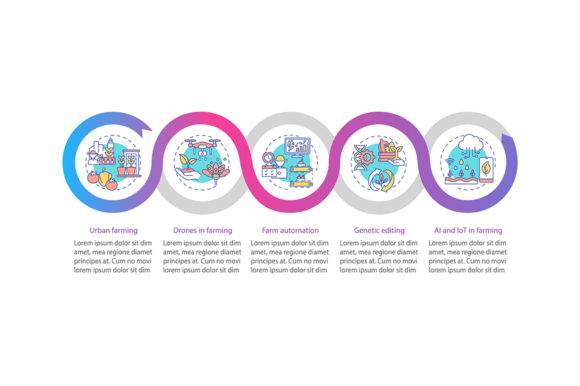
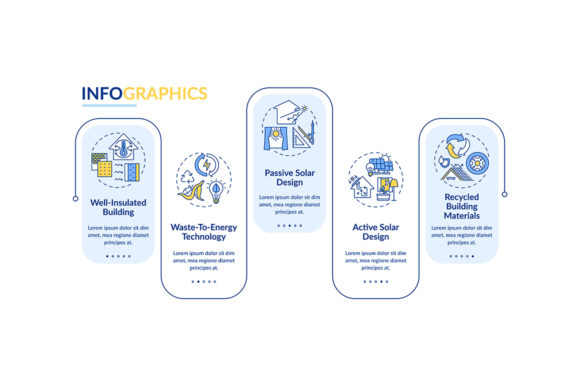
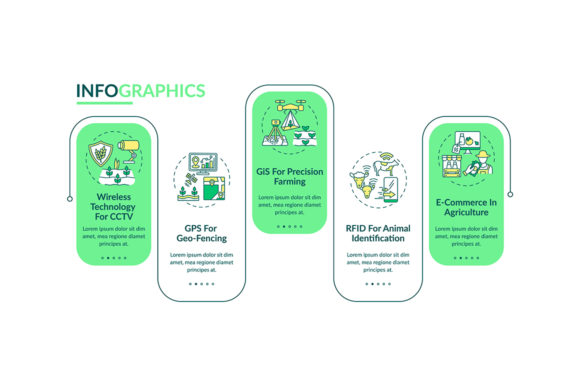
When sharing insights or promoting agricultural technology, having a visually engaging presentation is key. The Information technology in agriculture vector infographic template offers a professional and scalable way to communicate complex data and processes.
With a GPS presentation design, you can visually represent how location-based technologies are used in farming. A process timeline chart can show the evolution of IT adoption in agriculture over the years. And a workflow layout with linear icons helps break down complex processes into easy-to-follow steps.
The template package includes multiple file formats—EPS, JPG, PNG, SVG, and AI—making it easy to customize and use across different platforms. Whether you’re creating a pitch for investors, an educational resource, or a marketing campaign, these design elements help convey your message clearly and professionally.