Understanding Disability Insurance Claim Information: A Guide for Employers and Employees
What Is Disability Insurance Claim Information?
Disability Insurance Claim Information refers to the set of data, procedures, and documentation required to file, process, and manage a claim under a disability insurance policy. This information typically includes medical records, employment history, policy details, and forms that establish the legitimacy of a claim. Whether short-term or long-term, disability insurance claims rely on accurate, timely, and complete information to ensure proper evaluation and payout.
Why Disability Insurance Claim Information Matters
For employers and employees alike, understanding how to properly handle Disability Insurance Claim Information is essential. Employers need to support their workforce while managing costs and compliance. Employees rely on this process to receive income protection when they are unable to work due to injury or illness. Clear, accessible, and well-structured information ensures smoother claims processing, fewer delays, and better outcomes for all parties involved.
The Four-Step Process of Filing a Disability Insurance Claim
Disability insurance claims typically follow a structured process that can be visualized through a four-step workflow. Each step plays a crucial role in ensuring the claim is handled efficiently and fairly.
- Initiation: The employee becomes aware of their eligibility and submits an initial claim form. This includes basic personal and employment details, along with a statement of disability.
- Documentation: Medical evidence and employer verification are submitted. This is often the most critical phase, as incomplete or inconsistent documentation can delay or deny a claim.
- Review: The insurance provider evaluates the claim based on policy terms, medical input, and employment status. This may involve contacting healthcare providers or requesting additional information.
- Decision: Once all information is verified, a decision is made regarding approval, denial, or request for further clarification. Approved claims proceed to payout, while denied claims may be appealed.
Benefits of a Clear Disability Insurance Claim Process
When Disability Insurance Claim Information is organized and accessible, it leads to several key advantages:
- Quicker processing times: Well-documented claims reduce the need for follow-ups and corrections.
- Increased employee confidence: Employees are more likely to trust and utilize benefits when they understand how to file a claim.
- Reduced administrative burden: Employers benefit from streamlined workflows and fewer disruptions related to employee absences.
- Improved compliance: Proper handling of claims helps employers meet legal and regulatory standards.
Tradeoffs and Considerations
While disability insurance offers valuable protection, it's important to understand the tradeoffs involved. For employers, offering disability benefits may increase overhead costs and require additional administrative support. For employees, there may be waiting periods before benefits kick in, or caps on how long benefits can be received.
Additionally, not all conditions are covered, and exclusions or pre-existing condition clauses can impact eligibility. Claims may also be denied due to insufficient medical documentation or failure to meet policy requirements. Understanding these limitations is essential when evaluating whether disability insurance aligns with your needs.
When Disability Insurance Claim Information Is a Strong Fit
Disability Insurance Claim Information becomes particularly valuable in the following situations:
- Occupations with high physical risk: Jobs in construction, manufacturing, or healthcare often benefit from clear claim processes to address work-related injuries.
- Employees with chronic conditions: Individuals with ongoing health issues may rely on disability insurance to maintain financial stability during flare-ups or recovery periods.
- Organizations with remote or dispersed teams: Employers managing geographically diverse workforces benefit from standardized claim procedures to ensure equitable treatment.
- Companies seeking to enhance benefits packages: Offering disability insurance with clear claim instructions can improve employee retention and satisfaction.
When Alternatives May Be Worth Considering
There are scenarios where alternative approaches to income protection may be more suitable than traditional disability insurance:
- Short-term financial cushions: Employees with sufficient emergency savings may opt out of short-term disability coverage.
- Occupational health programs: Some employers offer wellness initiatives or modified work programs as a proactive alternative to disability claims.
- Workers' compensation: Injuries sustained on the job are typically covered under workers' comp, making disability insurance redundant in those cases.
- Group life or critical illness insurance: These products may provide lump-sum payouts that offer flexibility without the complexity of ongoing disability claims.
Practical Insights for Decision-Making
When evaluating Disability Insurance Claim Information, consider the following factors to determine whether it aligns with your goals:
- Policy clarity: Does the insurance provider offer transparent guidelines and accessible claim forms?
- Support infrastructure: Are there dedicated resources for employees and employers to navigate the claim process?
- Processing timelines: What is the average time to approve and disburse benefits?
- Claim success rates: Are claims typically approved, or are denials common without clear explanations?
Employers should also assess how the claim process integrates with existing HR systems and whether it aligns with broader employee wellness and retention strategies.
Visualizing the Disability Insurance Claim Workflow
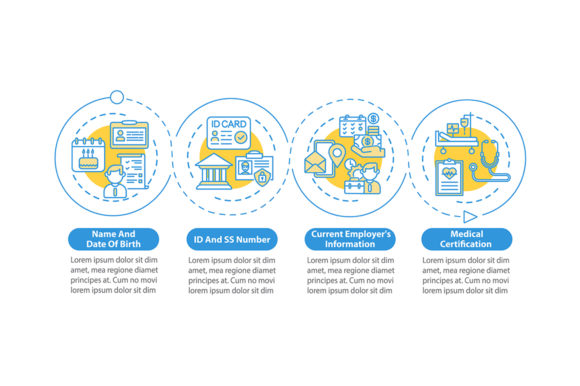
Data visualization tools, such as timeline charts and workflow layouts, can greatly enhance understanding of the Disability Insurance Claim Information process. A four-step visual guide can illustrate the journey from claim initiation to final decision, using linear icons and infographics to clarify each phase.
Such visual aids help employers train HR teams, onboard new employees, and ensure consistent communication across departments. They also assist employees in understanding what to expect at each stage, reducing uncertainty and improving transparency.
Conclusion: Aligning Disability Insurance Claim Information with Your Needs
Ultimately, Disability Insurance Claim Information is a critical component of any comprehensive benefits strategy. Whether you're an employer evaluating coverage options or an employee navigating a claim, having access to clear, accurate, and timely information is essential.
By understanding the process, recognizing its benefits and limitations, and exploring alternatives when appropriate, you can make informed decisions that protect both individual well-being and organizational stability. When implemented effectively, disability insurance serves as a vital safety net—providing peace of mind in times of uncertainty.